Published on: January 19, 2025
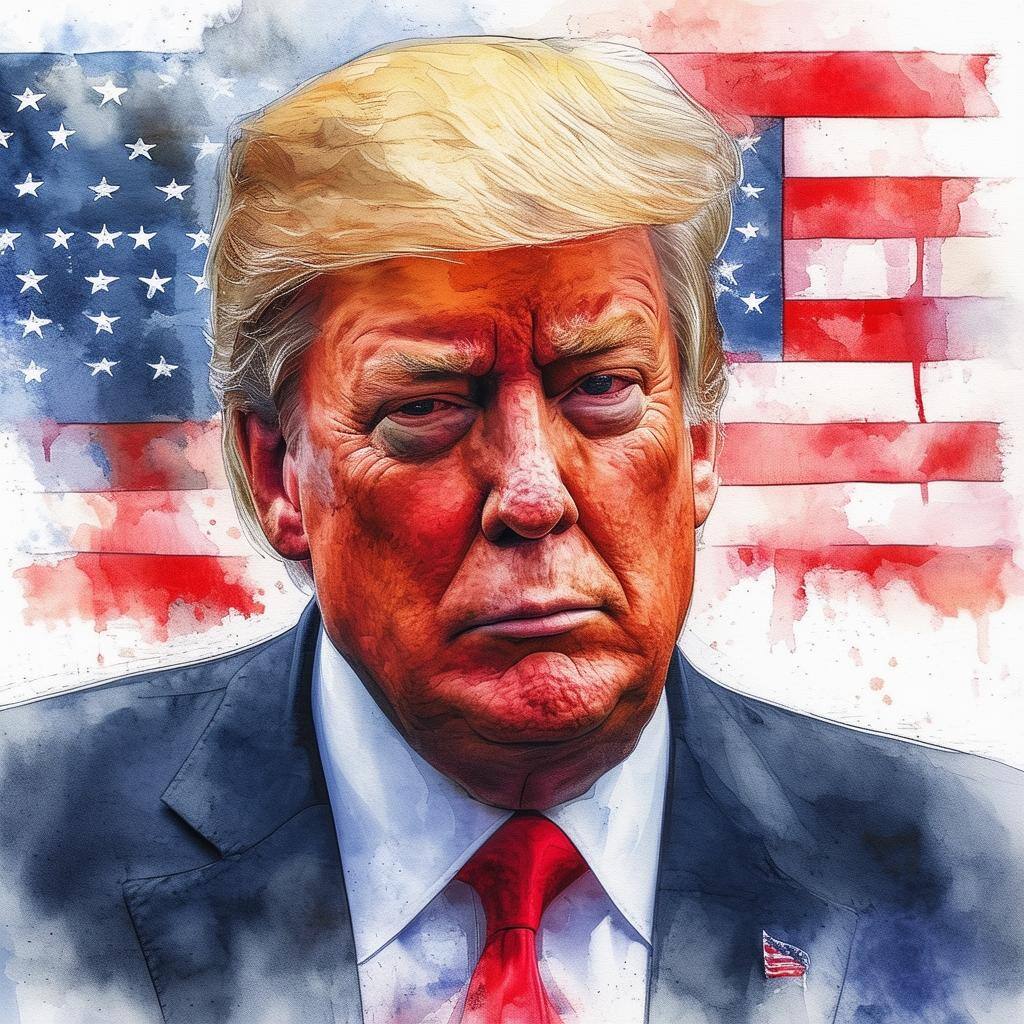
Donald Trump’s foreign policy, characterized by unpredictability, isolationism, and confrontation, left a profound impact on the U.S. and the world. Despite his anti-war rhetoric, Trump failed to end conflicts in Iraq and Afghanistan, while escalating tensions with Iran and Syria raised concerns about U.S. foreign policy direction. His withdrawal from key international agreements and alienation of allies weakened America’s global standing, sparking debates on the future of international cooperation. The influence of the arms lobby was evident, with $1.9 trillion in arms sales approved and significant donations during the 2020 elections, underscoring the role of special interests in shaping policy. The wars in Iraq and Afghanistan, costing $6.4 trillion and 7,000 soldiers’ lives, fueled violence and extremism rather than stability, prompting a reevaluation of military interventions. Domestically, political polarization and social tensions peaked during Trump’s presidency, culminating in the January 6 Capitol attack, which exposed vulnerabilities in U.S. democracy. As the Biden administration works to restore balance and unity, the lessons from Trump’s foreign policy—ranging from the consequences of military interventions to the influence of special interest groups—will continue to shape America’s global strategy and its path toward healing.